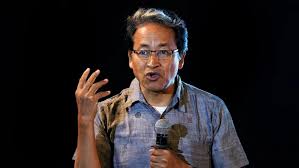
Sonam Wangchuk, the renowned climate activist and engineer from Ladakh, walked free on March 14, 2026 — five months after being detained under the National Security Act (NSA). The Union Government revoked his detention in what many are calling a major U-turn by the Centre. But is this a genuine reconciliation, or just political optics?
Who Is Sonam Wangchuk?
Most Indians know Wangchuk as the real-life inspiration behind the fictional “Phunsukh Wangdu” in Aamir Khan’s 3 Idiots. But beyond Bollywood, he’s a serious force — an engineer, innovator, and the man behind the Himalayan Institute of Alternatives in Ladakh (HIAL). His detention under the NSA came after months of protests demanding Ladakh’s inclusion in the Sixth Schedule of the Constitution — which grants tribal communities greater autonomy over their land, forests, and governance.
Here’s what no one is talking about: Wangchuk wasn’t just protesting. He was hunger-striking in sub-zero Ladakhi winters. And still, the government chose NSA detention over dialogue.
What Changed? Why Release Him Now?
The Centre hasn’t offered a detailed explanation. What we do know is that his detention was generating massive domestic and international attention. Solidarity protests erupted across India. Social media didn’t stay quiet. Frankly, holding a climate activist and Gandhi-esque figure in prison doesn’t play well — domestically or globally.
But let’s be clear: the core demands of Ladakh’s people remain unaddressed. Wangchuk’s release is not the same as the government agreeing to Sixth Schedule status for Ladakh.
The Ladakh Question — What’s Really At Stake
When Ladakh was carved out as a Union Territory without a legislature in 2019, many locals celebrated. But celebration was short-lived. Without a state legislature, Ladakhis have little say over land rights, mining, and development projects. Large infrastructure projects have been pushed through without adequate local consent.
The demand is simple: give Ladakh constitutional protection before it’s too late. Glaciers are melting. Pasture lands are being encroached. The traditional nomadic Changpa herders face existential pressure. These aren’t abstract issues — they’re the daily reality for hundreds of thousands of Indians living at the top of the world.
What Happens Next?
Wangchuk’s release is a pressure valve — but the pressure hasn’t gone away. Watch for renewed negotiations between Ladakh representatives and the Home Ministry, political pressure from opposition parties, and Wangchuk’s next move. He has consistently maintained discipline and moral authority. Expect him to return to activism immediately.
Civil Liberties and the NSA Question
Wangchuk’s case isn’t isolated. The NSA allows detention for up to 12 months without trial. It was designed for genuine national security threats — not climate activists who hunger-strike in -20°C winters. India prides itself on being the world’s largest democracy. But democracy isn’t just about elections. It’s about space for peaceful dissent.
What Can Indians Do?
Stay informed about the Sixth Schedule demand. Don’t let the news cycle move on. Support organizations working on Ladakh’s ecological and cultural preservation. Demand clarity from your elected representatives. Sonam Wangchuk is free today — but the fight for Ladakh is far from over.
About The Author
